Research
Passive Acoustic Monitoring
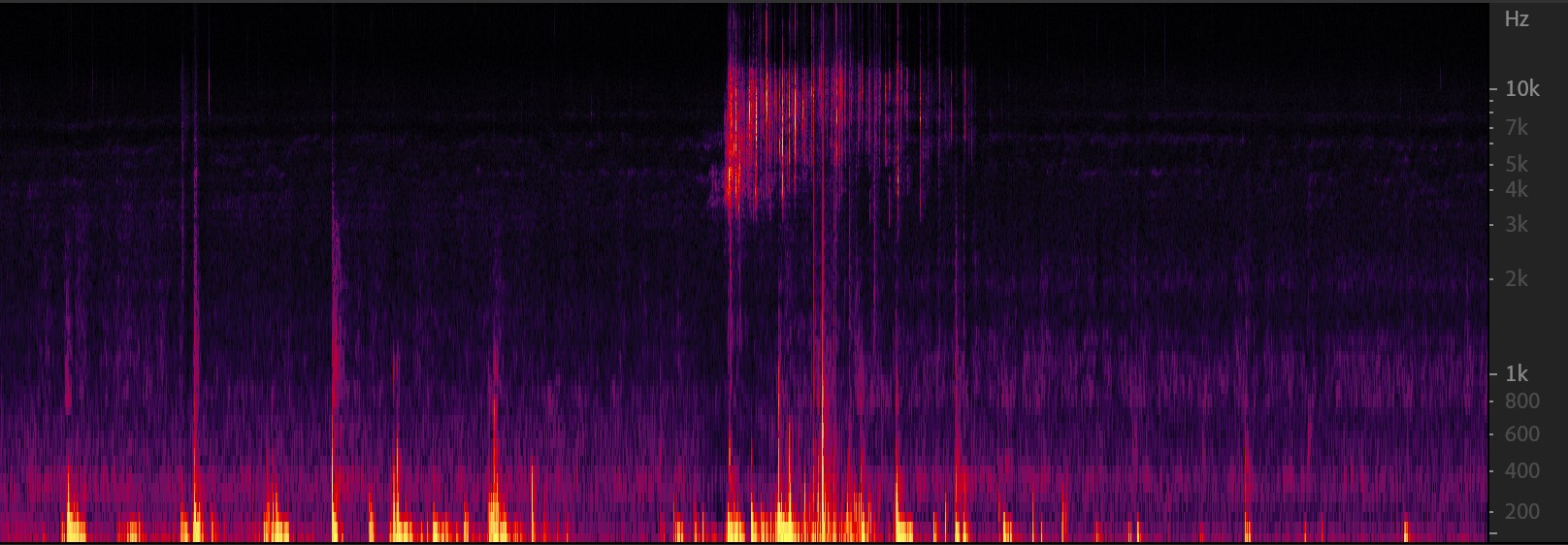
We develop passive acoustic monitoring (PAM) tools that turn underwater soundscapes into real-time indicators of animal welfare and farm performance. Using signal processing combined with machine-learning classifiers, our workflows detect and quantify behaviors such as feeding activity and stress responses from continuous hydrophone recordings.
The goal is a non-invasive, low-cost system that operates in low-visibility conditions, optimizes feeding, reduces waste and chemical use, and enables earlier detection of health issues, supporting more sustainable, data-driven aquaculture across diverse species and production systems.
Plasmid Biology
Plasmids are pieces of DNA that replicate independently from the host's chromosomal DNA. They are very common in bacteria. Plasmids may provide one or more functional benefits to the host such as resistance to antibiotics, degradative functions, and/or virulence.
In our lab we characterize the plasmid population (plasmidome) at different marine locations. We analyze the functional contribution of the plasmids to the ecosystem and study the dynamics of the plasmidome under various conditions.
Biosensors
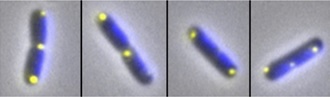
Bacteria communicate with each other via secreted small organic molecules (quorum sensing). Understanding the bacterial chit-chat may allow us to "listen" and "talk" with them. Therefore, we develop bacterial biosensors which will help us understand bacterial communications.
In parallel, we develop microfluidics-based devices for using reporting bacteria for real-time monitoring of the fish pools in order to obtain early signals of bacterial infection onset.
Microfluidics
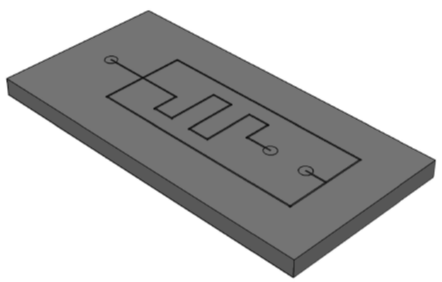
Microfluidics relates to the design and study of devices which move or analyze small amounts of liquid, typically at the microliter or nanoliter scale. Microfluidics has been increasingly used in the biological sciences, because precise and controlled experiments can be conducted at lower cost and faster pace.
In our lab, we develop a range of microfluidics devices for use in mariculture. For example, devices for hosting bacterial biosensors for real-time monitoring of the fish pools, devices for mating algae (in collaboration with Dr. Segal and Dr. Solomon), and devices for encapsulation of fish feeding materials and drugs.